

Have you ever felt that you should be over something by now?
Perhaps you’re recovering from a breakup, trying to move beyond a painful experience, or learning to trust yourself again. You may understand what happened and genuinely want to move forward. Yet, some days, the same emotions return.
You might wonder, “Why am I still feeling this way? Shouldn’t I be happier by now?”
If this sounds familiar, remember that healing is not a race, and emotional progress doesn’t always happen in a straight line.
Understanding why healing takes time can help you stop judging yourself and approach your recovery with more patience and compassion.

What Does Emotional Healing Really Mean?
Emotional healing doesn’t necessarily mean forgetting what happened or never feeling sad again. Instead, it means gradually changing how an experience affects your thoughts, decisions, relationships, and sense of self.
For example, you may still remember someone who hurt you without feeling the same urge to contact them. You may remember a difficult experience without blaming yourself for everything that happened.
Healing can also mean recognising your triggers, establishing healthier boundaries, and making choices that support your well-being.
Most importantly, healing looks different for different people. Your timeline doesn’t need to match someone else’s.
Healing vs. Feeling Stuck
| Emotional experience | What it may mean | What you can try |
|---|---|---|
| You still miss someone | Emotional attachment may take time to change | Accept the feeling without acting on every urge |
| Old memories make you sad | Something still feels emotionally significant | Journal about what the memory brings up |
| You feel better, then sad again | Recovery may have ups and downs | Notice your overall progress |
| You struggle to trust yourself | Past experiences may have affected your confidence | Make small decisions that support your boundaries |
| You feel tired of healing | You may need rest or additional support | Reduce pressure and seek help when needed |
These experiences don’t automatically mean you’re healing or feeling stuck. Consider your overall well-being and how your emotions affect daily life.
7 Reasons Why Healing Takes Time
1. Your Emotions Need Time to Catch Up With Your Understanding
Sometimes, your mind understands a situation before your emotions have adjusted to it.
You may know that a relationship wasn’t right for you, yet still miss the person. You may understand that a decision was necessary, yet feel sad about what you left behind.
This doesn’t mean you’re making the wrong choice. Emotions aren’t switches that you can turn off simply because you’ve understood a situation logically.
What can help: Instead of asking, “Why do I still feel this way?”, try asking, “What is this feeling telling me that I need to acknowledge?”
2. You’re Grieving More Than What Actually Happened
Sometimes, you’re not only grieving a person or experience. You’re also grieving what you imagined could happen.
You may miss the future you planned, the promises you believed in, or the version of life you expected to have.
This is one reason emotional recovery can feel confusing. Even when you know that something wasn’t working, letting go of the possibilities attached to it can still hurt.
Give yourself permission to acknowledge that loss without assuming you need to return to the past.
3. You Keep Reopening the Same Emotional Wound
Healing can become more difficult when you repeatedly expose yourself to situations that trigger the same distress.
For example, you might check an ex-partner’s social media every night, reread old messages, or search for signs that someone misses you.
These actions may offer temporary comfort. However, they can also keep your attention focused on questions you cannot answer with certainty.
If this pattern feels familiar, read our guide on Why You Can’t Let Go of Someone.
What can help: Notice which habits leave you feeling calmer and which leave you more distressed. Start by changing one habit that repeatedly pulls you back into emotional pain.

4. You’re Expecting Yourself to Heal Perfectly
Perhaps you had a good week, started feeling more confident, and believed you had finally moved forward. Then one memory brought the sadness back.
It’s easy to interpret that moment as failure.
However, an emotional setback doesn’t erase the progress you’ve already made. Difficult feelings can return when you encounter a reminder, experience stress, or face another change in your life.
Instead of measuring healing by whether you ever feel sad, notice how you respond when sadness appears.
Can you recognise the feeling sooner? Can you avoid making an impulsive decision? Can you treat yourself with more kindness than before?
These can all be meaningful signs of progress.
5. You’re Trying to Heal Without Enough Support
You may be doing your best to stay strong while keeping your feelings to yourself.
Perhaps you don’t want to worry your family, feel uncomfortable opening up to friends, or believe you should handle everything independently.
Although spending time alone can be valuable, you don’t have to process every difficult experience by yourself.
Supportive friendships, honest conversations, counselling, and healthy daily routines can help you feel less isolated.
If emotional distress is persistent or interferes with everyday life, consider speaking with a qualified mental health professional. Seeking support is not a sign of weakness; it is one way of caring for yourself.
6. You’re Still Learning to Trust Yourself Again
Some painful experiences affect more than your feelings about another person. They can also change how you see your own judgement.
You might question why you ignored warning signs, trusted someone, stayed longer than you wanted, or didn’t recognise a situation earlier.
Over time, this self-doubt can become another obstacle to healing.
Remember that you made decisions with the understanding, resources, and emotional capacity you had at that time. You can learn from your experiences without punishing yourself for being human.
Try this: Keep small promises to yourself, respect your boundaries, and allow yourself to make decisions without demanding perfect certainty.
7. You’re Comparing Your Healing Journey With Someone Else’s
A friend may appear to move on quickly after a breakup. Someone online may seem completely happy after a difficult experience. Seeing this can make your own recovery feel painfully slow.
However, you rarely know the full story behind another person’s progress.
People process emotions differently, and outward appearances don’t reveal everything someone is experiencing privately.
Instead of asking whether you’re moving forward as quickly as someone else, ask whether your current choices are helping you build a life that feels healthier and more meaningful.
How to Support Your Healing Without Forcing It
You don’t need to solve every emotional struggle at once. Start with small, realistic steps that fit your daily life.
Daily Habits That Support Emotional Healing
| Daily habit | Time needed | Potential benefit |
|---|---|---|
| Write down your feelings | 5–10 minutes | Helps organise your thoughts |
| Take a short walk | 10–15 minutes | Creates a break from repetitive thinking |
| Limit upsetting social media checks | As needed | Reduces avoidable emotional triggers |
| Talk to someone you trust | As needed | Helps you feel heard and supported |
| Practise slow breathing | 2–5 minutes | May help you feel calmer in the moment |
| Set one small boundary | Depends on the situation | Supports self-respect and well-being |
These practices aren’t a formula for instant recovery. Their purpose is to support you as you work through difficult emotions at a manageable pace.

Can Tarot Help You Understand Your Healing Journey?
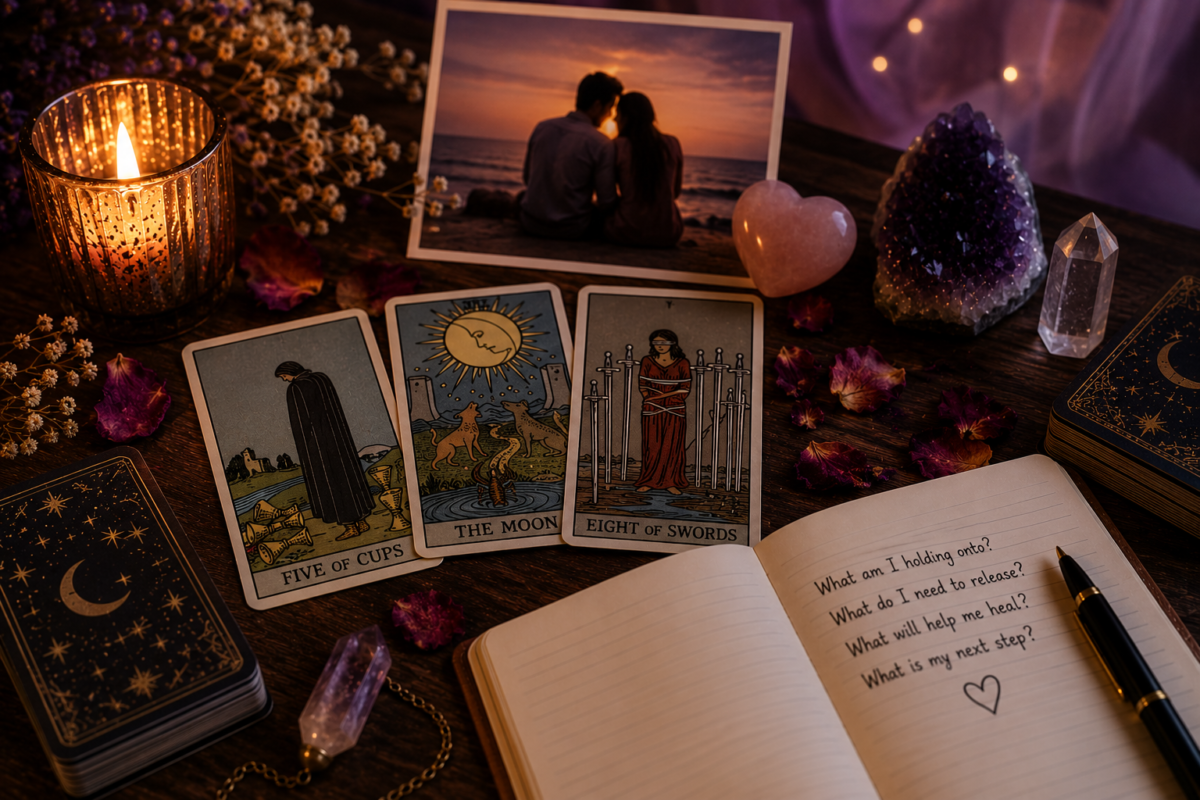
Tarot can be used as a reflective practice to explore your emotions, recognise patterns, and consider what you may need during a period of change.
Rather than asking, “When will I finally stop hurting?”, try questions that bring your attention back to your own needs:
- What emotion am I finding difficult to acknowledge?
- What am I still holding on to?
- Which boundary could support my emotional well-being?
- What have I learned about myself through this experience?
- What small step can I take towards greater peace?
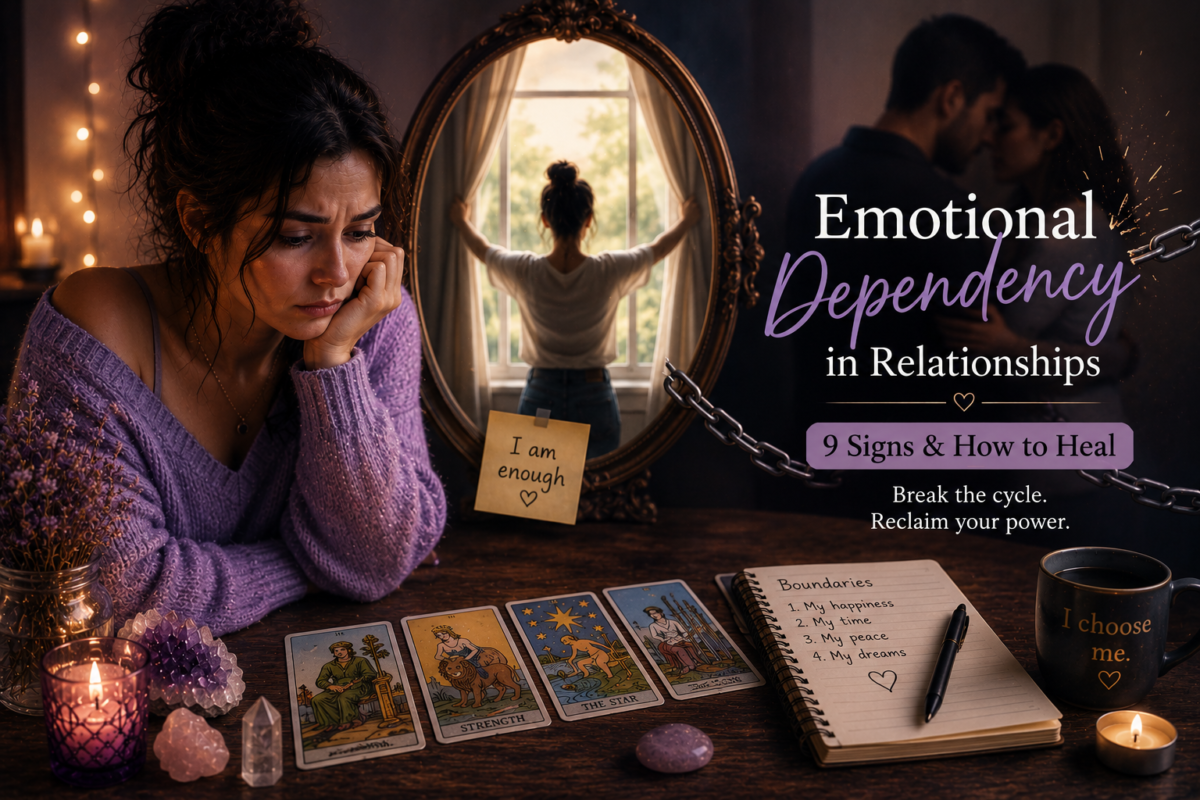
For example, the Strength card can be a prompt to reflect on patience and inner resilience, while Temperance can encourage reflection on balance and gradual adjustment.
These are symbolic interpretations, not guarantees about when you will heal. Tarot should complement—not replace—professional mental health support when it is needed.

If you’d like a personal space to reflect on your relationship questions and emotional patterns, explore our Tarot Reading for Relationship Guidance.
Frequently Asked Questions
1. Why does emotional healing take so long?
Emotional healing can take time because it may involve processing loss, adjusting to change, rebuilding trust, and developing new habits. The process varies depending on the person and their circumstances.
2. Is it normal to feel sad again after making progress?
Yes. Difficult feelings can return even after a period of improvement. A difficult day doesn’t automatically mean you’ve lost your progress.
3. How do I know if I’m healing emotionally?
You may notice that you understand your feelings better, respond to triggers differently, maintain healthier boundaries, or recover more easily after difficult moments. Progress doesn’t require feeling happy every day.
4. Can you heal while still missing someone?
Yes. Missing someone doesn’t automatically mean you should return to the relationship. You can acknowledge your feelings while still making decisions that support your well-being.
5. When should I seek professional help?
Consider speaking with a qualified mental health professional if distress feels overwhelming, persists, affects your daily functioning, or makes it difficult to care for yourself. You don’t need to wait until things become unbearable to seek support.
Final Thoughts: Give Yourself Permission to Heal
If your healing journey feels slower than you expected, try not to turn that frustration into another reason to criticise yourself.
You are allowed to miss what mattered to you. You are allowed to have difficult days. And you are allowed to change, learn new things about yourself, and begin again.
The goal isn’t to become someone who never feels pain. It’s to develop the understanding and support you need to move through difficult experiences without losing your connection with yourself.
You don’t have to be completely healed to take your next step forward.
Sometimes, progress begins with something as simple as choosing not to judge yourself for where you are today.

Explore More with The Astro Palace
Looking for deeper insight into your personal situation? Explore a personalised Tarot Reading with The Astro Palace for reflective guidance on relationships, emotional patterns, and personal growth.
Explore next: Read Why You Can’t Let Go of Someone to understand why certain emotional connections can be difficult to move beyond.
External reference: NHS — Mental Health and Wellbeing for general information and support resources related to emotional well-being.
Disclaimer: Tarot and astrology are offered for personal reflection and spiritual exploration. They do not replace professional mental health advice, diagnosis, or treatment.